
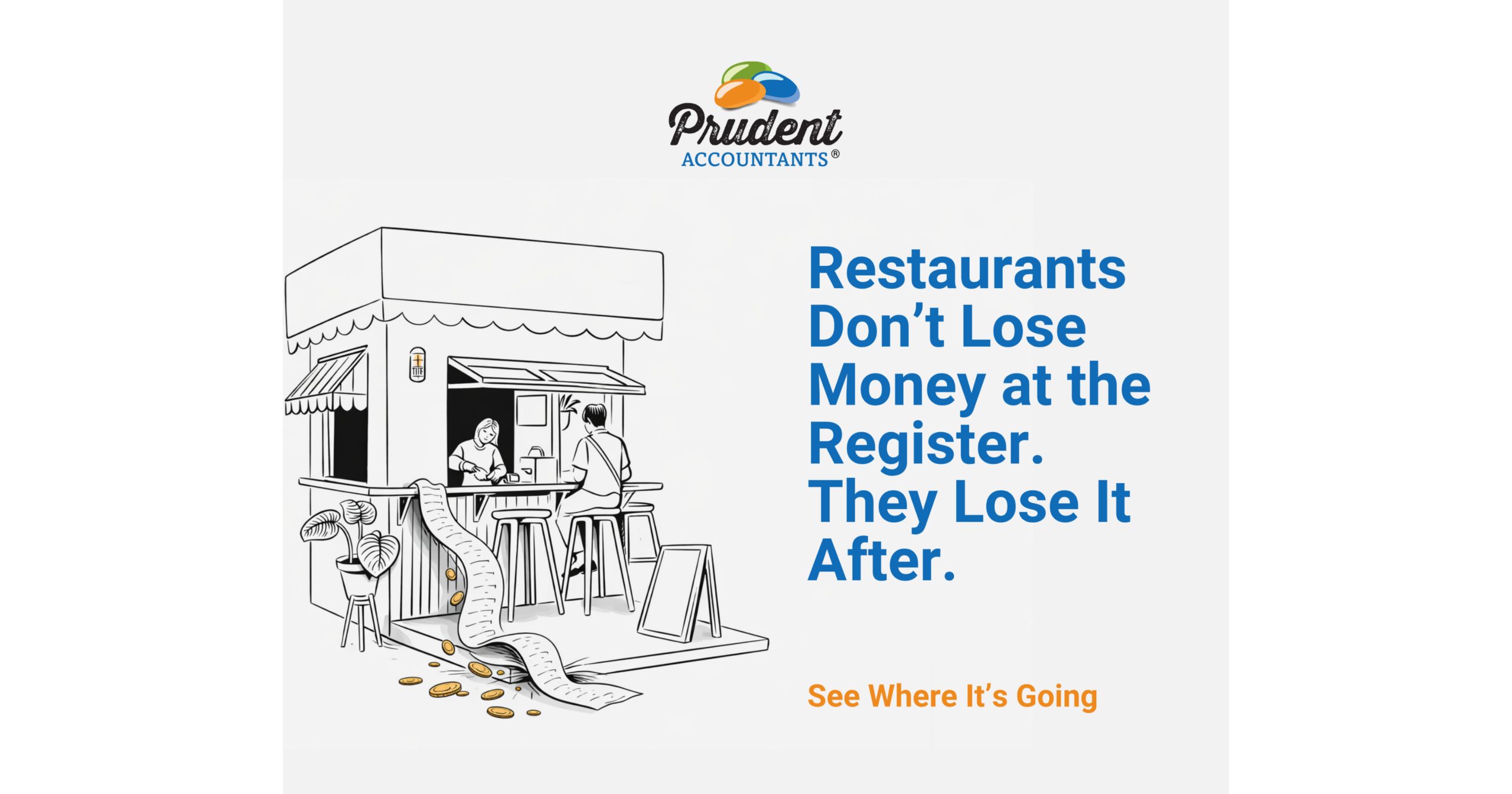
Many restaurant owners see strong sales but still struggle to understand where the profit is going.
On paper, the numbers look solid. In reality, margins often feel tighter than expected. This disconnect is more common than it seems, especially as restaurants grow and operations become more complex.
In busy restaurant markets like Dallas and the Twin Cities, where demand can be strong but costs are constantly shifting, this gap becomes even more noticeable.
Why Restaurant Profits Do Not Match Sales
Sales should translate into profit, but in many restaurants, they do not.
Featured Snippet Answer
Restaurant profits often do not match sales because of rising labor costs, food waste, and limited visibility into true financial data. While revenue may increase, these hidden operational costs reduce margins, making the business appear successful without generating the expected profit.
As operations grow, small inefficiencies across labor, inventory, and reporting begin to add up. These are not always obvious day to day, but over time, they create a noticeable gap between revenue and actual profit.
This becomes even more apparent during seasonal shifts, when summer rushes or slower winter months expose how well a restaurant is managing labor, inventory, and costs.
Understanding where that gap comes from is the first step toward improving margins and building a more financially stable restaurant.
The Real Problem Most Restaurant Owners Miss
Many restaurant owners track sales daily.
Fewer track what actually happens to that revenue.
Growth often leads to:
- Higher labor costs without efficiency
- Increased food waste without visibility
- POS data that does not reflect true profitability
Revenue increases, but margins quietly shrink.
Profit Leak 1: Labor Costs That Outpace Sales
Featured Snippet Answer
Restaurant labor costs often get too high when staffing is not aligned with sales patterns, schedules are not optimized, and overtime is not closely tracked. Even with strong sales, inefficient labor management can significantly reduce overall profitability.
What it looks like
- Sales are strong, but payroll keeps rising
- Staff levels do not match peak hours
- Overtime adds up without clear visibility
Real example
A restaurant with strong weekend traffic was still struggling with margins.
After reviewing labor patterns:
- Staffing did not match actual demand
- Overtime costs were higher than expected
- Schedules were not tied to sales data
Once adjusted, labor costs dropped without affecting service quality.
Profit Leak 2: Food Waste and Inventory Gaps
What it looks like
Food costs feel higher than expected, even when pricing seems correct.
Where it happens
- Over-ordering inventory
- Spoilage due to lack of tracking
- Inconsistent portion sizes
- No real-time inventory visibility
Growth amplifies waste. What is manageable at a smaller scale becomes expensive at a larger one.
Real example
A restaurant owner noticed strong sales but declining margins.
After reviewing inventory:
- Spoilage rates were higher than expected
- Portion sizes varied between staff
- Ordering was not aligned with demand
Fixing these improved margins within weeks.
Profit Leak 3: POS Reporting That Does Not Tell the Full Story
What it looks like
You see daily sales numbers, but still lack clarity on profit.
Where it happens
- POS systems showing revenue, not margins
- No integration with accounting
- No item-level profitability tracking
Real insight
Two restaurants with identical sales can have completely different profitability.
The difference is not sales. It is visibility.
The Overlooked Link Between Operations and Tax Strategy
Most restaurant owners separate operations from taxes.
But they are directly connected.
- Waste increases deductible expenses but reduces real profit
- Poor tracking leads to missed deductions
- Lack of planning often leads to overpaying taxes
Two restaurants with similar performance can end up with very different after-tax profit simply due to strategy.
Why Most Restaurants Need More Than Just Basic Reporting
Having numbers is not the same as understanding them.
Many restaurants have:
- Sales reports
- POS dashboards
- Expense tracking
But still lack clarity on:
- Why margins are shrinking
- What to fix first
- How to plan ahead
What a More Strategic Financial Approach Changes
A more strategic approach shifts focus from tracking sales to improving profit.
This includes:
- Identifying profit leaks early
- Aligning labor and inventory with sales
- Connecting POS data to real financial insights
- Planning ahead instead of reacting
Real example
A restaurant owner was generating strong sales but struggling financially.
After a deeper review:
- Menu pricing was adjusted based on margins
- Labor scheduling was optimized
- Waste was reduced
Profit improved without increasing sales.
What This Means for Your Restaurant
If your restaurant is busy but profits feel tight, it is not random.
It is usually driven by:
- Labor inefficiencies
- Food waste
- Lack of visibility
Fixing these creates:
- Better control
- Clearer decision-making
- More predictable profit
A Better Way Forward
Successful restaurants focus on profitable operations, not just sales.
They regularly evaluate:
- Labor efficiency
- Food cost percentages
- True profitability
Small improvements in these areas often lead to significant financial results.
Want to Understand Where Your Profit Is Going?
If your restaurant is generating strong sales but not seeing expected profit, the issue is often hidden in operations and financial visibility.
Prudent Accountants supports restaurants with:
- Identifying hidden profit leaks
- Improving cost visibility
- Bringing clarity to financial decisions
- Supporting more consistent profitability
If this sounds familiar, it may be time to take a closer look at what is happening behind the numbers.
Frequently Asked Questions
Why is my restaurant busy but not profitable?
This usually happens when labor costs, food waste, and inefficiencies increase faster than revenue.
What percentage should labor costs be in a restaurant?
Typically between 25 percent and 35 percent of revenue, depending on the business model.
What is a good food cost percentage?
Most restaurants aim for 28 percent to 35 percent.
How can I reduce food waste?
Track inventory, standardize portions, and align purchasing with demand.
Why is POS data not enough?
It shows sales, not true profitability after all costs.
How often should I review financials?
Weekly for key metrics and monthly for deeper analysis.
Can pricing fix low profits?
Sometimes, but inefficiencies are often the bigger issue.
Do restaurants benefit from financial strategy support?
Yes. As complexity increases, strategic guidance improves margins and clarity.



0 Comments